BioPerine in CartiVex: Why Black Pepper and Which Medicines Need a Check
Written by the CartiVex editorial team
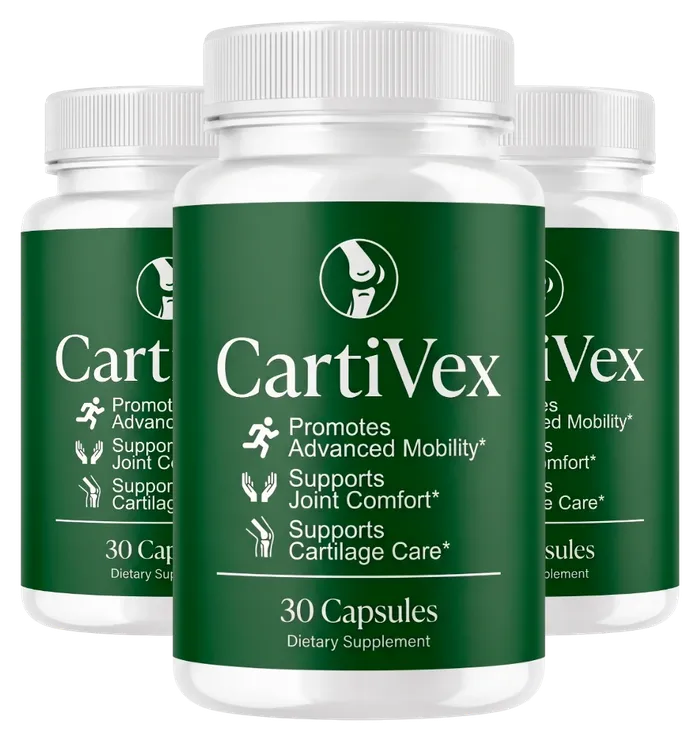
BioPerine is the black pepper extract added to CartiVex alongside turmeric. This page explains why it is included, where the 2000% absorption claim came from and why a 5 mg amount still deserves care if you take medicines.
Black pepper extract (piperine) is added because curcumin is poorly absorbed. The famous 2000% boost came from 20 mg of piperine with 2 grams of curcumin. The catch: piperine raised blood levels of drugs such as carbamazepine, phenytoin and diclofenac in small studies. CartiVex has 5 mg, so check your medicines with a pharmacist first.
Why is black pepper in turmeric capsules?
Black pepper extract is there to help curcumin stay in the body longer. Curcumin on its own is poorly absorbed, quickly broken down and quickly removed.
A well-known review calls this the core problem with curcumin (Anand et al., 2007). Makers answer it in two ways: special forms of curcumin, or a pinch of piperine, the compound that gives pepper its bite.
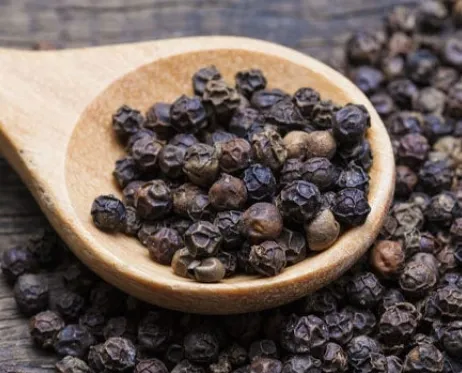
CartiVex lists black pepper (Piper nigrum) fruit extract, sold as BioPerine, at 5 mg per capsule. It sits beside two turmeric extracts and a coleus forskohlii extract. The CartiVex ingredients page covers all four lines.
- What it is: a black pepper fruit extract rich in piperine
- Why it is added: to slow how fast the body clears curcumin
- Amount in CartiVex: 5 mg in each one-a-day capsule
Where does the 2000% absorption claim come from?
It comes from one 1998 study. In healthy volunteers, adding 20 mg of piperine to 2 grams of curcumin raised curcumin’s blood availability by about 2000% (Shoba et al., 1998).
That single result is now printed on countless turmeric labels and ads. Very few of those products use the same doses.
UK food safety experts reviewed the evidence in 2024. They called the claim that piperine boosts curcumin absorption questionable, with high uncertainty (UK COT, 2024).
How does a one-a-day capsule compare with that study?
The doses are very different. The study used 2,000 mg of curcumin with 20 mg of piperine, while CartiVex gives about 28.5 mg of curcuminoids from its 95% extract with 5 mg of piperine extract.
That means the 2000% figure cannot be carried over to a small capsule. Nobody has tested the finished formula.
| Detail | 1998 absorption study | CartiVex, one capsule |
|---|---|---|
| Curcumin or curcuminoids | 2,000 mg | About 28.5 mg, plus an unstated amount from a 4:1 extract |
| Piperine or pepper extract | 20 mg piperine | 5 mg black pepper fruit extract |
| Pepper to curcumin ratio | About 1 to 100 | About 1 to 6 on the stated curcuminoids |
| Who took it | Healthy volunteers | Not studied as a finished product |
| What was measured | Curcumin in the blood | No published measurements |
Our post on how much curcumin joint studies use explains why the curcumin side of this table matters most for joints.
What is the drug-interaction catch with piperine?
Piperine does not pick and choose. The same action that slows curcumin clearance can slow the clearance of some medicines, so more drug stays in the blood.
In small human studies, piperine raised blood levels of carbamazepine, diclofenac, fexofenadine and phenytoin (Horn et al., 2017). In one study, 20 mg a day for 10 days raised carbamazepine levels by 48%.
| Medicine studied with piperine | What it is used for | Why it matters |
|---|---|---|
| Carbamazepine | Seizures and some nerve pain | Levels rose 48% with 20 mg piperine a day |
| Phenytoin | Seizures | Higher levels can cause side effects |
| Diclofenac | Pain and swelling (an NSAID) | Often taken for sore joints, the same people who buy joint capsules |
| Fexofenadine | Allergies | Shows the effect reaches common over-the-counter drugs |
| Midazolam | Sedation before procedures | Worth telling your care team before any procedure |
Notice diclofenac on that list. Someone with sore knees may already take it, then add a turmeric and pepper capsule without thinking twice.
Is 5 mg of piperine enough to matter?
Nobody knows for sure. The interaction studies used 20 mg, so 5 mg is a quarter of that dose, and the effect has not been measured at 5 mg.
Still, low does not mean zero. A published liver injury case involved a curcumin product with 5 mg of BioPerine, and most turmeric liver cases involved high-absorption forms such as those with piperine (NIDDK LiverTox, 2025).
A network of U.S. liver centers reviewed ten turmeric cases in 2023. Three of the seven products tested also contained piperine, and five people were hospitalized (Halegoua-DeMarzio et al., 2023).
Can you take turmeric and black pepper with blood thinners?
Only with your doctor’s okay. Turmeric should not be combined with warfarin or other blood thinners (MSKCC, 2026).
The third ingredient in CartiVex adds to that list. Coleus forskohlii may lower blood pressure and may interact with blood pressure drugs and blood thinners (MSKCC, 2023).
Blood thinners
Turmeric and coleus may add to their effect. Ask before you start.
Blood pressure drugs
Coleus may lower blood pressure further.
Seizure medicines
Piperine raised carbamazepine and phenytoin levels in studies.
The CartiVex side effects page lists every label ingredient and what is known about each one.
How do you check your medicines before trying a pepper capsule?
Bring the bottle to your pharmacist and ask one clear question. It takes five minutes and covers the biggest risk in this article.
- 1
Photograph the label
Capture the full Supplement Facts panel, including the 5 mg black pepper extract line.
- 2
List every medicine
Write down prescriptions, pain relievers, allergy pills and other supplements, with doses.
- 3
Ask about piperine
Ask: does black pepper extract change how any of these are cleared?
- 4
Ask about bleeding and pressure
Ask whether turmeric or coleus could add to a blood thinner or blood pressure drug.
- 5
Plan a check-in
If you get the green light, agree on what side effects to watch and when to follow up.
Should you pick a turmeric capsule with or without pepper?
It depends on what else you take. If you use none of the medicines above and your doctor agrees, a small pepper extract is a common choice.
If you take a drug that piperine affects, a pepper-free turmeric product removes that one interaction. Less curcumin will reach your blood, so you trade some absorption for fewer moving parts.

CartiVex prints all four amounts, including the 5 mg BioPerine line, which makes that pharmacist talk easy. If it suits you, the CartiVex pricing page shows the current packs and the 60-day money-back terms.
Black pepper, BioPerine and medicines: common questions
Questions people type into Google and Bing, answered from the label and the sources on this page.
Why is black pepper added to turmeric?
Curcumin is poorly absorbed and cleared fast. Piperine, the main compound in black pepper, slowed that clearance in an early study, so makers add it to keep more curcumin in the blood.
How much black pepper do you need with turmeric?
No set amount exists. The famous study paired 20 mg of piperine with 2 grams of curcumin. Products today use many different ratios, and none has a proven ideal.
What is BioPerine, and is it just ground pepper?
BioPerine is a branded black pepper fruit extract, not kitchen pepper. It is concentrated for piperine. CartiVex lists 5 mg of it per capsule.
Does piperine really increase curcumin absorption 2000%?
That figure came from one 1998 study using 20 mg of piperine with 2 grams of curcumin. UK experts later called absorption claims for piperine questionable and uncertain.
What medications interact with black pepper extract?
Small human studies found piperine raised blood levels of carbamazepine, diclofenac, fexofenadine, phenytoin and midazolam. Ask a pharmacist to check your full list.
Is piperine bad for your liver?
No source we cite blames piperine alone. But most turmeric liver injury cases involved high-absorption forms, such as those with piperine. Liver injury from turmeric is rare.
Can I take turmeric with black pepper if I take blood thinners?
Not without your doctor’s okay. Turmeric should not be combined with warfarin or other blood thinners, and piperine may change how other drugs are cleared.
Is 5 mg of piperine a lot?
It is a quarter of the 20 mg used in the famous absorption study and in a drug interaction study. A curcumin product with 5 mg of BioPerine appears in a published liver injury case.
Does piperine affect how drugs work?
It can. Piperine seems to slow how the body clears some drugs, so more of the drug stays in the blood. That can make a fixed dose act stronger.
Should I take turmeric without black pepper?
If you take a medicine that piperine affects, a pepper-free product removes one interaction. Less curcumin will reach the blood. Let your pharmacist help you decide.
What is BioPerine in CartiVex?
BioPerine is a black pepper extract with piperine. CartiVex lists 5 mg of it in each capsule, added because curcumin is poorly absorbed. It is not the same as ground pepper from the kitchen.
Is it safe to take CartiVex with other medicines?
Ask your doctor or pharmacist first. The black pepper extract can raise blood levels of some medicines, and turmeric may add to blood thinners. Bring the full label so they can check every line.
Why does CartiVex contain black pepper extract?
CartiVex includes BioPerine black pepper extract at 5 mg next to turmeric. If you take any medicines, ask your doctor before adding it.