01Root extract
Turmeric Extract 4:1
75 mg
Curcuma longa root extract 4:1 (curcuminoid content not stated)
What studies used
Reviews: about 93-2,000 mg a day
A 4:1 ratio tells you the concentration, not the curcuminoid amount. (Paultre et al., 2021)
USA Authorized CartiVex Retailer1 capsule a day · 30 per bottle
60-day money-back guaranteeFrom $49 a bottle on the 6-bottle pack
Written by the CartiVex editorial team
Last updated · Who reviewed this page · How we write and review
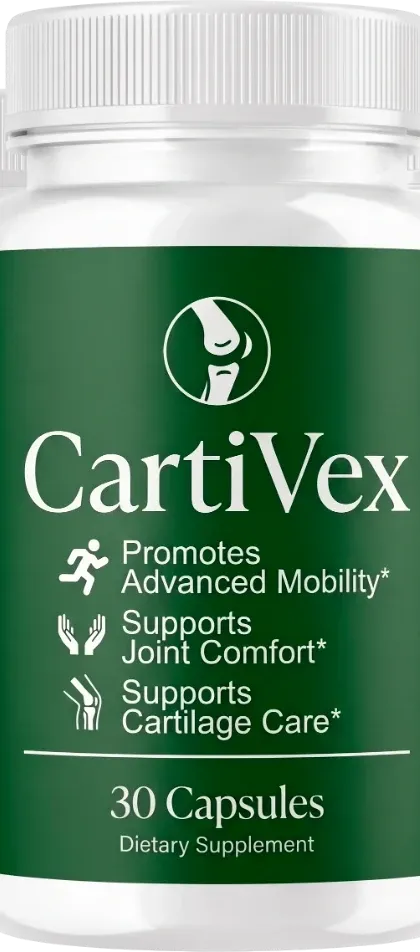
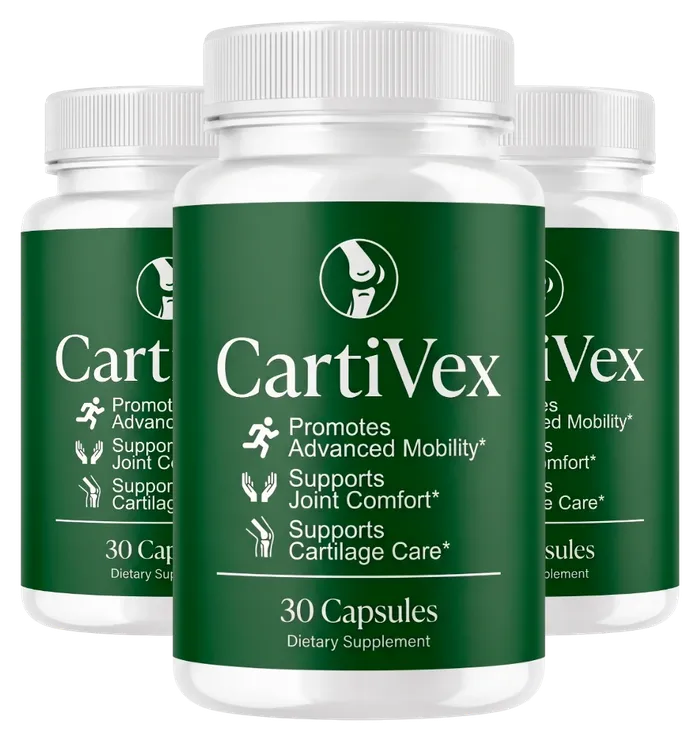
Each CartiVex capsule holds four actives: two turmeric extracts, Coleus forskohlii and BioPerine black pepper extract.
The label lists turmeric root extract 4:1 at 75 mg, turmeric extract with 95% curcuminoids at 30 mg (about 28.5 mg curcuminoids), coleus at 15 mg and BioPerine at 5 mg. There is no glucosamine, chondroitin or collagen.
For the full panel, read the supplement facts label.
CartiVex has four active label lines in each capsule. There are two turmeric extracts, one Coleus forskohlii extract and one black pepper extract, for 125 mg of actives in all.
Every amount is printed, and one capsule is the full daily serving. Flip a card to see what human studies used for each line.
75 mg
Curcuma longa root extract 4:1 (curcuminoid content not stated)
What studies used
Reviews: about 93-2,000 mg a day
A 4:1 ratio tells you the concentration, not the curcuminoid amount. (Paultre et al., 2021)
30 mg
Curcuma longa root extract, 95% curcuminoids (about 28.5 mg curcuminoids)
What studies used
About 1,000 mg a day of curcumin
About 28.5 mg of curcuminoids is roughly 1/35 of that level. (Daily et al., 2016)
15 mg
Coleus forskohlii extract (forskolin % not stated)
What studies used
500 mg a day in weight trials; no joint trials
May lower blood pressure and add to blood thinners. (MSKCC, 2023)
5 mg
Piper nigrum fruit extract
What studies used
20 mg piperine with 2 g curcumin
Piperine can raise blood levels of some medicines. (Shoba et al., 1998)
The full panel, with the other ingredients and the small print, is on the CartiVex supplement facts page.
The largest line on the CartiVex label is 75 mg of turmeric (Curcuma longa) root extract 4:1. The ratio means about four parts of dried root were used to make one part of extract.
A ratio shows how concentrated the extract is. It does not tell you how many curcuminoids sit inside, and the label does not say.
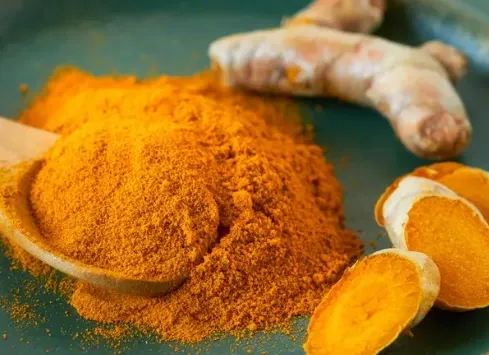
The second turmeric line is 30 mg of root extract standardized to 95% curcuminoids. That works out to about 28.5 mg of curcuminoids per capsule, using the label figures.
Curcuminoids are the yellow compounds in turmeric, and curcumin is the main one. Most joint studies measure their doses in curcumin or curcuminoids.
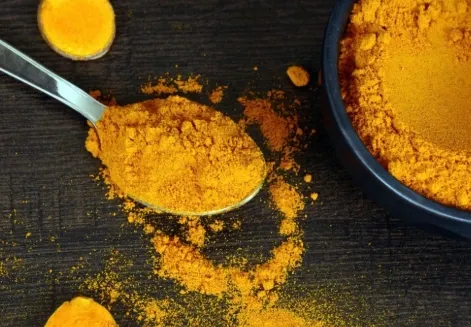
Standardized means the maker tests the extract to hit a set level. Here that level is 95%, so nearly all of the 30 mg is curcuminoids.
Our article on curcumin doses in joint studies compares this amount with the research in more depth.
CartiVex lists 15 mg of Coleus forskohlii extract per capsule. Coleus is a plant in the mint family, and its root holds a compound called forskolin.
The label does not say how much forskolin the extract contains. It also does not say what job coleus has in a joint formula.
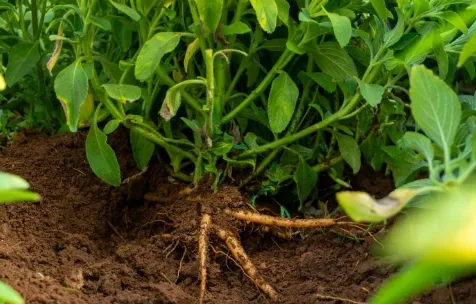
Most coleus research looks at weight. NIH notes three small weight trials that used 500 mg a day of a 10% forskolin extract for 12 weeks, with inconclusive results (NIH ODS, n.d.).
Memorial Sloan Kettering lists asthma, heart health, glaucoma, blood pressure and weight as its usual uses, not joints (MSKCC, 2023). We found no joint trial.
The smallest line is 5 mg of black pepper (Piper nigrum) fruit extract, sold under the name BioPerine. Its key compound is piperine, the part that gives pepper its bite.
Piperine is added because curcumin is poorly absorbed and quickly cleared from the body (Anand et al., 2007). Piperine may slow that clearing.
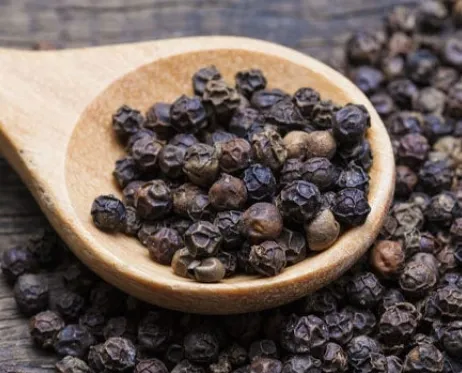
The well-known 2000% absorption figure came from 20 mg of piperine taken with 2 grams of curcumin (Shoba et al., 1998). CartiVex pairs 5 mg with much less turmeric.
UK food safety experts called piperine absorption claims questionable, with high uncertainty (UK COT, 2024). Read more in our BioPerine article.
Most CartiVex amounts sit well below the doses used in human studies. The 95% extract gives about 28.5 mg of curcuminoids, while osteoarthritis reviews used about 93 to 2,000 mg a day (Paultre et al., 2021).
Single knee trials often used 1,500 mg a day, split into three doses (Kuptniratsaikul et al., 2014) (Panahi et al., 2014). The meter shows each gap on a log scale.
About 28.5 mg from the 95% extract, plus an unstated amount from the 4:1 extract. That is under the lowest dose in the reviews. Sources: (Paultre et al., 2021) (Daily et al., 2016)
Single trials used about 50 times the stated curcuminoids, split into three doses a day. Sources: (Kuptniratsaikul et al., 2014) (Panahi et al., 2014)
The famous absorption boost came from 20 mg piperine with 2 g curcumin, not 5 mg with about 28.5 mg. Sources: (Shoba et al., 1998) (UK COT, 2024)
15 mg is 3% of the weight-trial dose, and no joint trial was found. Sources: (NIH ODS, n.d.) (MSKCC, 2023)
CartiVex amount dose range used in human studies (log scale)
CartiVex contains no glucosamine, chondroitin or collagen, even though the front reads “Supports Cartilage Care.” MSM and hyaluronic acid are also absent.
Those are the names many people expect in a joint product. The 2019 American College of Rheumatology guideline strongly recommends against glucosamine for osteoarthritis and does not address turmeric (Kolasinski et al., 2020).
| Common joint ingredient | In CartiVex? |
|---|---|
| Glucosamine | No |
| Chondroitin | No |
| Collagen (as an active) | No; gelatin is only the capsule shell |
| MSM | No |
| Hyaluronic acid | No |
| Turmeric / curcuminoids | Yes, two extracts |
If you want a glucosamine or collagen product, CartiVex is a different kind of formula. Our guide to choosing a joint supplement compares the main types.
The label lists three other ingredients: microcrystalline cellulose, gelatin and magnesium stearate. They help make and hold the capsule and are not actives.
Each one has a simple job, shown in the cards.
A purified plant fiber used as filler, so every capsule has the same size and weight.
The capsule shell. It comes from animal collagen, so the capsules are not vegetarian.
A flow agent that stops the powder from sticking to machines during filling.
Each CartiVex label line packs a few facts into one row. These steps help you read any of them.
Start with the common name, such as turmeric or black pepper.
Root or fruit tells you which part was used to make the extract.
A ratio like 4:1 shows strength. A percent like 95% shows the active share.
Amounts are per capsule, and one capsule is the whole daily serving.
Line it up with study doses. A dagger means no Daily Value exists.
The intended role of each ingredient is laid out on how CartiVex works.
Questions people type into Google and Bing, answered from the label and the sources on this page.
Each capsule lists four actives: turmeric root extract 4:1 (75 mg), turmeric root extract with 95% curcuminoids (30 mg), Coleus forskohlii extract (15 mg) and black pepper extract sold as BioPerine (5 mg). The other ingredients are microcrystalline cellulose, gelatin and magnesium stearate.
The 30 mg extract at 95% curcuminoids gives about 28.5 mg. The 75 mg 4:1 extract adds more, but the label does not say how much.
It is a concentration ratio: about four parts of dried root went into one part of extract. It tells you strength, not the curcuminoid amount.
The label does not explain its role. Coleus has mainly been studied for weight, not joints, and no joint trial was found (MSKCC, 2023).
No. None of these appear on the label, and neither does glucosamine. The formula is built on turmeric, coleus and black pepper.
No collagen is listed as an active. The capsule shell is gelatin, which comes from collagen, but it is there to hold the powder, not as a joint ingredient.
Yes. Gelatin is listed under other ingredients, so the capsules are not vegetarian or vegan.
It is a purified form of plant cellulose, the fiber in plant cell walls. Makers use it as a filler so each capsule has a steady size and weight.
It is a common flow agent that keeps powder from sticking to machines. It appears in small amounts in many capsules and tablets, and it is not an active ingredient.