How Much Curcumin Is in CartiVex? One Capsule Explained
Written by the CartiVex editorial team
One CartiVex capsule holds about 28.5 mg of curcumin from its 95% extract. This page shows the label math and what knee studies used, from 93 to 2,000 mg a day.
Knee arthritis studies used about 93 to 2,000 mg of curcuminoids a day, often near 1,000 to 1,500 mg, for 4 weeks to 8 months. Results were modest and the trials small. CartiVex gives about 28.5 mg from its 95% extract, plus an unstated amount from a 4:1 extract. Higher doses also carry more liver risk.
How much curcumin do joint studies use?
Most knee arthritis studies used far more curcumin than a typical one-a-day capsule. Daily amounts ranged from about 93 mg to 2,000 mg, and many trials sat near 1,000 to 1,500 mg.
A 2021 review pooled 10 trials with 1,287 people who had knee osteoarthritis (Paultre et al., 2021). Doses ran from about 93 mg to 2,000 mg a day, for 4 weeks to 8 months. Turmeric seemed to help pain and function more than a placebo, but the best dose and form were still unclear.
What is the difference between turmeric and curcumin?
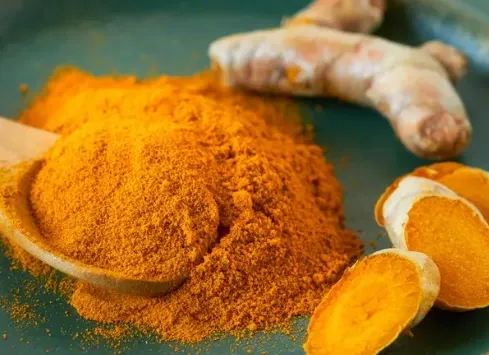
Turmeric is the root. Curcumin is the main compound inside it, part of a yellow family called curcuminoids.
Studies count curcuminoids because that is the part researchers think does the work. A label that only says “turmeric” without a percentage leaves you guessing.
Three words that sound alike
- Turmeric root or powder: the whole plant part, with a small share of curcuminoids
- Standardized extract: a concentrate tested for a set curcuminoid percentage, like 95%
- Ratio extract, like 4:1: a concentrate described by how much root went in, not by curcuminoid content
Which turmeric studies used which doses?
The trials people quote most used high, often split, doses.
| Study | Who and how long | Daily dose | What it found |
|---|---|---|---|
| Paultre et al., 2021 | 10 trials, 1,287 people, 4 weeks to 8 months | About 93-2,000 mg | Better pain and function than placebo; best dose unclear |
| Daily et al., 2016 | 8 randomized trials | About 1,000 mg curcumin | Eased arthritis symptoms; larger studies needed |
| Zeng et al., 2022 | 29 trials, 2,396 people, 4-36 weeks | 120-1,500 mg | May help; trials few and low quality |
| Kuptniratsaikul et al., 2014 | 367 people, 4 weeks | 1,500 mg extract in 6 capsules | About as good as ibuprofen 1,200 mg, less stomach pain |
| Panahi et al., 2014 | 40 people | 1,500 mg curcuminoids with piperine, 3 doses | Better pain and function scores than placebo |
The 2016 review supported about 1,000 mg of curcumin a day (Daily et al., 2016). A 2022 review spread wider, from 120 to 1,500 mg, but rated the trials low in quality (Zeng et al., 2022).
The big head-to-head trial gave 1,500 mg of extract a day against ibuprofen for four weeks (Kuptniratsaikul et al., 2014). A smaller trial split 1,500 mg of a curcuminoid and piperine product into three doses (Panahi et al., 2014).
What did turmeric not do in the studies?
Turmeric did not rebuild cartilage. In a careful 12-week trial, an extract eased knee pain a little more than placebo but did not change swelling or cartilage on scans (Wang et al., 2020).
That matters when you read joint labels. Words like “cartilage care” are support claims, not proof that a capsule repairs a joint.
How do you work out the curcumin in any label?
Multiply each extract’s weight by its curcuminoid percentage, then add the lines together. If a line has no percentage, mark it unknown.
Here is the math, step by step.
- 1
Find Supplement Facts
Skip the front claims. Go straight to the panel with milligrams per serving.
- 2
Spot the percentage
Look for words like “95% curcuminoids.” A ratio such as 4:1 is not a percentage.
- 3
Multiply
30 mg at 95% equals about 28.5 mg of curcuminoids. Do this for each line that has a percentage.
- 4
Scale to a full day
Multiply by the servings per day on the label. One capsule a day means the serving is the daily amount.
- 5
Compare with studies
Hold your total up against 93 to 2,000 mg a day from the research table above.
How much curcumin is in CartiVex, worked out?
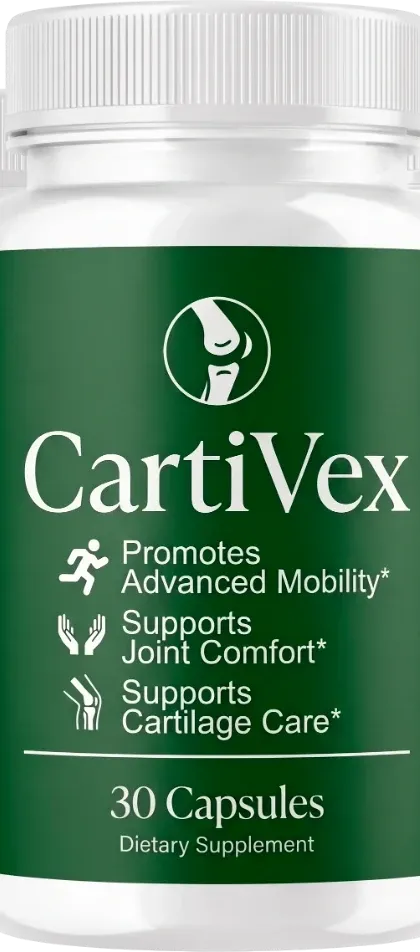
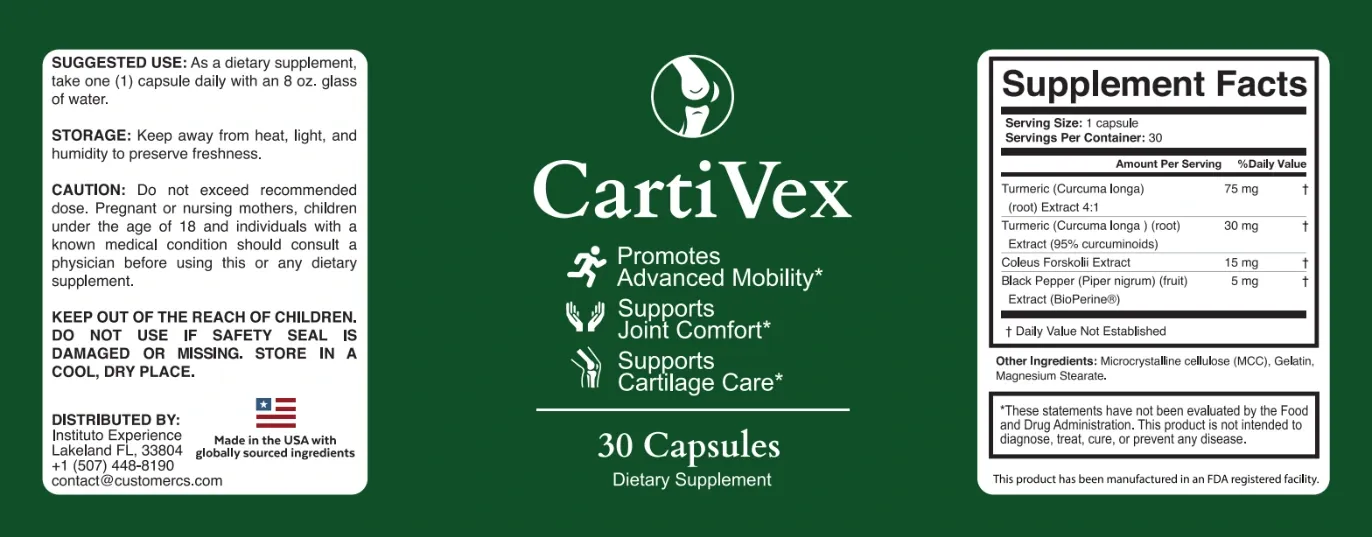
One CartiVex capsule gives about 28.5 mg of curcuminoids from its 95% extract. It also has 75 mg of a 4:1 turmeric extract, but the label does not say how many curcuminoids that line holds.
The label says one capsule a day with an 8 oz glass of water. So about 28.5 mg, plus an unstated amount, is the full daily figure.
| Yardstick | Daily curcuminoids | How CartiVex compares |
|---|---|---|
| CartiVex, 95% extract line | About 28.5 mg | Plus an unstated amount from the 4:1 line |
| Lowest dose in the 2021 knee review | About 93 mg | About 3 times more |
| The 2016 review | About 1,000 mg | About 35 times more |
| Single trials, split three times a day | 1,500 mg | About 50 times more |
That is an honest gap. CartiVex does not claim to match study doses, and no study has tested the finished formula. The CartiVex ingredients page lines up all four label lines with their research amounts.
Is more curcumin always better or safer?
No. Higher doses and better-absorbed forms bring more of what the studies measured, and also more of the risk.
Turmeric is a rare but well-documented cause of liver injury. Case reports mostly involved products at 500 to 1,500 mg a day, often with added black pepper extract (NIDDK LiverTox, 2025).
UK food safety experts set an acceptable daily intake for curcumin of 0 to 3 mg per kilogram of body weight (UK COT, 2024). For a 154-pound adult, about 70 kg, that tops out near 210 mg a day by our math.
Black pepper extract adds its own twist, because it can raise blood levels of some medicines. Our post on why black pepper is in turmeric capsules covers that catch.
How long should you take turmeric before judging it?
Plan on weeks, not days. The knee trials ran from 4 weeks to 8 months, and none judged results after a few doses.
- Weeks 1-4
Too early to call
The shortest trials ended here, and they used high doses. Keep notes on pain and stiffness.
- Weeks 4-12
Most trial checkpoints
Many studies, including the 12-week scan trial, judged results in this window.
- Months 3-8
Longer trials
A few studies ran this long. Results still varied between people and products.
Exercise and, when needed, weight loss remain the first steps for knee arthritis. Our joint health guide explains what doctors recommend before any supplement.
Where does a low-dose capsule like CartiVex fit?
Think of CartiVex as a small daily turmeric amount with every line printed, not as a copy of a trial dose. It suits someone who wants a simple one-capsule routine and has read the numbers.
Want a study-sized dose? Talk to your doctor first, because the safety picture changes at higher amounts.
If the label math works for you, the CartiVex pricing page lists the current packs and the 60-day money-back guarantee.
Curcumin doses for joints: common questions
Questions people type into Google and Bing, answered from the label and the sources on this page.
How much curcumin should I take for joint pain?
No official dose exists. Knee arthritis trials used about 93 to 2,000 mg a day, and one review pointed to about 1,000 mg. Ask your doctor before you pick an amount, since high-absorption products have been tied to rare liver injury.
How much turmeric is effective for arthritis?
Studies measured curcumin or curcuminoids from standardized extracts, not spoonfuls of spice. The small trials that helped knee pain mostly used hundreds to about 1,500 mg of curcuminoids a day.
What is the difference between turmeric and curcumin?
Turmeric is the whole root. Curcumin is the main member of a group of yellow compounds in it called curcuminoids. Most joint studies measured the curcuminoids, not the root.
Is 500 mg of turmeric enough?
It depends on what the 500 mg is. Plain root powder holds only a small share of curcuminoids, while a 95% extract is almost all curcuminoids. Read the percentage on the label before you compare.
Is 1,000 mg of curcumin a day safe?
UK experts set an acceptable daily intake of 0 to 3 mg of curcumin per kilogram of body weight, about 210 mg for a 154-pound adult. So 1,000 mg is well above it. Ask your doctor first.
How many mg of curcuminoids are in turmeric extract?
Multiply the extract weight by its percentage. A 30 mg extract at 95% gives about 28.5 mg, which is what one CartiVex capsule lists. If no percentage is printed, the label does not tell you.
Is turmeric powder as good as curcumin supplements?
The trials in this article tested extracts, not kitchen spice. Cooking with turmeric is fine, but these studies did not measure it.
How long do you need to take turmeric for knee pain?
Knee trials ran from 4 weeks to 8 months. One careful trial judged results at 12 weeks. A few days is too short to judge anything.
Do low-dose turmeric supplements work?
No trial we found tested a dose as low as about 28.5 mg of curcuminoids a day. The lowest dose in the main knee review was about 93 mg. CartiVex does not claim to match study doses.
What is in CartiVex joint supplement?
CartiVex is a one-a-day turmeric capsule with a 95% extract that gives about 28.5 mg of curcumin and a 4:1 extract with an unstated amount. The label math in this guide shows how to read it.
Is CartiVex a high-dose curcumin capsule?
No. At about 28.5 mg from the 95% extract it sits below the 93 to 2,000 mg a day that knee studies used. Higher doses also carry more cautions, so more is not always better.
Does CartiVex include black pepper extract?
Yes. CartiVex lists BioPerine black pepper extract next to the turmeric extracts.