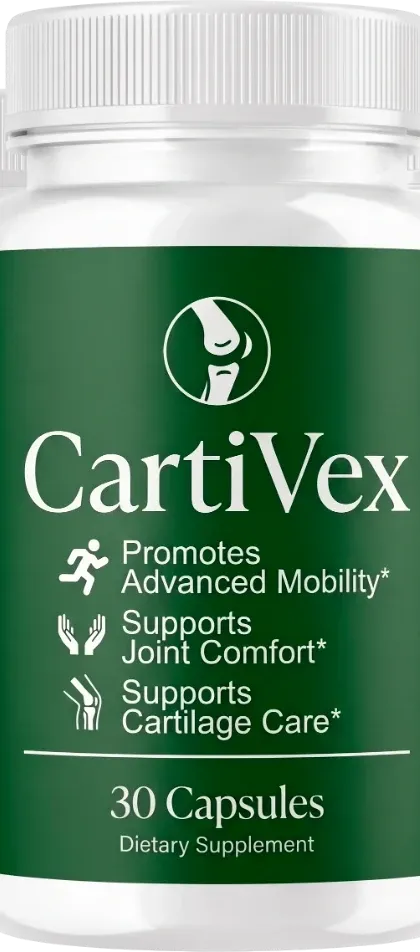
Are CartiVex Reviews Real? Red Flags to Check First
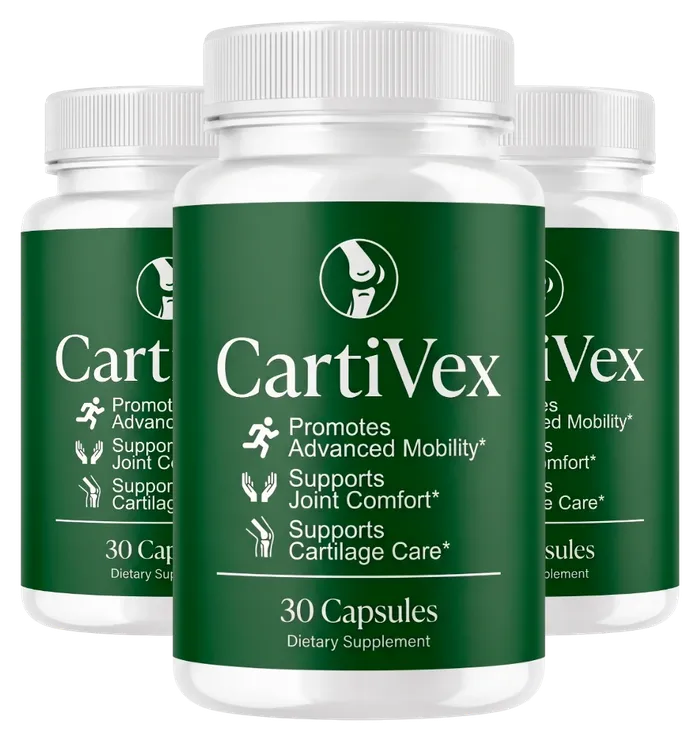
Written by the CartiVex editorial team
Real CartiVex reviews name who wrote them and who gets paid. This page lists the red flags to check, the FTC rule since 2024 and how to report a misleading ad.
Ask who wrote the page and who gets paid. Perfect scores, look-alike reviews, unnamed doctors, “FDA approved” and promises to cure arthritis are red flags. Since 2024, the FTC can seek penalties for fake or bought reviews. Report false ads to the FTC. This site shows marked blanks, not unverified seller reviews, for CartiVex.
How can you tell if a joint-supplement review is fake?
Ask two questions first: who wrote this page, and who gets paid when you click? Most fake joint-supplement reviews fail that test in under a minute.
Joint products attract a lot of hype because joint pain is common and slow to change. The FTC says health claims generally need good human clinical trials, and customer testimonials alone cannot prove a product works (FTC, 2022).
Run this quick test on any joint-supplement review: 0 of 6 checked
What does the FTC say about fake supplement reviews?
Fake reviews are now a legal risk for the business that uses them. Since 2024, the FTC can seek civil penalties against businesses that knowingly use fake, AI-written, bought or undisclosed insider reviews (FTC, 2024).
That covers more than invented praise. Reviews written by staff, reviews paid for with free products and AI-written stories all count if they are passed off as real.
Which joint-supplement claims are red flags?
The biggest red flags are claims no supplement can make. A capsule that says it cures arthritis, rebuilds cartilage or replaces pain medicine is breaking the rules or bending the truth.
| Red flag you may see | What an honest page does instead |
|---|---|
| Cures arthritis or regrows cartilage | Uses label support claims only, with the FDA disclaimer |
| “Clinically proven” with no study named | Names each study, its dose and who took part |
| “FDA approved” supplement | Says supplements are not FDA approved before sale |
| Near-perfect stars and no complaints | Shows mixed ratings and lets you read the low ones |
| A doctor in a white coat with no license info | Names a reviewer you can look up, or says none yet |
| Hidden blend, no amounts | Prints every amount, or says which ones are missing |
| Countdown timer and “last bottles” | Lists the real price and the refund terms in writing |
Label claims follow a rule. Structure and function claims, such as “supports joint comfort,” are not pre-approved by FDA and must carry a disclaimer that the product is not meant to treat or cure disease (FDA, 2024).
What does “clinically proven” mean on a joint supplement?
In honest use, it means good human trials of that exact product support the claim. In ads, it often means one ingredient was studied somewhere, at another dose.
Turmeric is the classic case. Knee trials mostly used hundreds to about 1,500 mg of curcuminoids a day, yet many capsules hold a small fraction of that.
Our post on how much curcumin joint studies use shows how to do that label math. The same goes for “2000% better absorption,” explained in our post on black pepper in turmeric capsules.
Are “doctor-recommended” joint supplements trustworthy?
Only when you can check the doctor. A real endorsement names a licensed person you can look up, and says what that person actually reviewed.
A person in scrubs with no license number is a costume, not a credential.
- The name matches a real license in a public state lookup
- The doctor’s field fits the topic, such as joints or pharmacy
- The page says what was reviewed: wording, safety or the whole formula
- Payment or ties to the seller are disclosed
Seller material for CartiVex came with sample reviews, scores, order counts and a named doctor. We use none of it, because none of it could be checked. Our own medical review slot stays blank until a real reviewer is confirmed, and our medical reviewer section explains why.
Why are there so many Google Sites and Medium reviews for one supplement?
Because they are free, fast and can be anonymous. Anyone can publish a polished “review” in an afternoon, and some of these pages rank well in search.
Most exist to send you to a checkout. Few name an author.
What we found for CartiVex
As of October 12, 2026, we found two anonymous Google Sites “review” pages promoting CartiVex. One wrongly calls it a cardiovascular supplement, which tells you nobody checked the label.
We also found a brand site whose domain was registered in September 2026. It shows testimonials it labels illustrative and not verified, plus a star score with no source and no count.
We found no FTC or FDA action, and no BBB, Trustpilot, Reddit, Amazon or Walmart listing. We found no press releases either. We do not link to any of these pages, because an ad is not a review.
How does this site show CartiVex reviews?
This site shows marked blanks where CartiVex reviews would go. No review here has been matched to a real order yet, so nothing on the page pretends to be one.
A blank becomes a real review only after the order ID is matched and the buyer agrees to share it. This site links to an authorized retailer’s checkout, so it has a stake in sales too. That is why each fact points back to the label or a cited source. The CartiVex reviews page shows every review slot and the full process.
What does “FDA registered” mean on a supplement like CartiVex?
It describes the factory, not the product. FDA does not approve dietary supplements for safety or effectiveness before they are sold (FDA, 2022).
FDA also does not issue or recognize certificates of registration (FDA, 2024). A roundel that says “FDA registered” is not FDA approval, and any site that calls a supplement FDA approved is wrong.
 Describes the factory, not the formula
 Matches the label line on globally sourced ingredients
Quality seals from groups like USP or NSF show a product was made properly and holds what the label says. They still do not prove it is safe or that it works (NIH ODS, 2023). CartiVex shows no such seal.
How do you report a fake review or misleading supplement ad?
Report false ads to the FTC and health problems to FDA. Save your proof first, because fake pages often vanish.
- 1
Save the evidence
Take screenshots, copy the web address and note the date.
- 2
Put your health first
If you had a reaction, stop the product and call your doctor.
- 3
Tell FDA
Report side effects or a product you think is unsafe.
- 4
Tell the FTC
Report fake reviews, fake news pages and hidden paid ads.
- 5
Ask the seller for a refund
Call with your order ID and follow the written return steps.
NCCIH adds a useful reminder: natural does not always mean safe, labels may not match what is inside, and your doctor should know every supplement you take (NCCIH, 2019).
If CartiVex still interests you after all this, judge it by its label. The CartiVex pricing page lists the packs, the prices and the 60-day money-back terms in writing.
Fake joint-supplement reviews: common questions
Questions people type into Google and Bing, answered from the label and the sources on this page.
How can you tell if a joint-supplement review is fake?
Check for a real author, a date, mixed ratings and some complaints. Fake pages tend to have perfect scores, look-alike wording and every link pointing to one checkout.
Are supplement review websites paid?
Many are. They earn a commission when you buy through their links, and the disclosure is often buried at the bottom. Treat any page with buy buttons as a seller page.
What does the FTC say about fake reviews?
Since 2024, the FTC can seek civil penalties against businesses that knowingly use fake, AI-written, bought or undisclosed insider reviews. The FTC also says testimonials alone cannot prove a health product works.
What does “clinically proven” mean on supplements?
It should mean good human trials of that product back the claim. Often the study tested one ingredient at a much higher dose, not the capsule being sold.
What is a red flag in a supplement ad?
Promises to cure arthritis or regrow cartilage, “FDA approved” wording, a countdown timer, and reviews that all sound the same are common red flags.
Are “doctor-recommended” claims trustworthy?
Only if you can confirm the doctor exists, holds a license, and actually reviewed that product. A name and a white coat in an ad prove nothing.
Why are there so many Google Sites and Medium reviews for one supplement?
These pages are free, quick to make and can be anonymous. Many exist only to rank in search and send clicks to a checkout.
How do I report a misleading supplement ad?
Report a false or misleading ad to the FTC. If the product made you sick, stop it, see a doctor and report the problem to FDA.
What does “results not typical” mean?
It means the story you just read is not what most buyers get. The FTC says testimonials alone cannot prove a health product works.
Are CartiVex reviews on Google Sites and Medium real?
Be careful with anonymous pages. Many look alike and name no author or payer. Compare them with the marked blanks shown on this site and ask who gets paid when you click a link.
How do I report a fake CartiVex review or misleading ad?
Report false or misleading supplement ads to the FTC. Save the page address and a screenshot first. The FTC can seek penalties for fake or bought reviews, which gives your report weight.
How do I check who wrote a supplement review?
Look for a named author, a clear disclosure of payment and links to the sources they cite.